

Coram Voice has today welcomed the Government’s plans announced today to make enduring relationships the top priority for the care and leaving care system in England. We believe these show a real commitment to refocus on one of the important areas that children and young people themselves say make their lives good.
Coram Voice has long argued that when developing policy and practice in the care system, the key question should be – will children in care and care leavers feel that their lives got better as a result? Care should prioritise what is important to children and young people themselves.
The message from care experienced children and young people is clear – trusted and supportive relationships are essential to them. The Coram Institute for Children’s From Surviving to Thriving report, that has informed DfE’s plans, showed that trusting and supportive relationships are key drivers of well-being for children in care and care leaver. The report analysed the views of thousands of children in care and care leavers shared through the Coram Voice’s Bright Spots programme.
Linda Briheim, Head of Policy and Practice Development, Coram Voice, said: “children and young people in and leaving care tell us that what matters to them is having adults that they can trust, who stick by them, are there when they need them, believe in them and make sure they feel seen and heard, including trusted carers, social workers and leaving care personal advisers. They also stress how important relationships with other young people including friends and siblings are to them. The Government’s announcement recognises many of these issues – and we particularly welcome the commitments to prioritising relationships with brothers and sisters, make National Minimum Standards for fostering focused on trusting relationships.
“This plan takes us in the right direction – identifying that we need to make enduring relationships the priority. But, to make it a reality will take active work from the people around children to make sure relationships are built, nurtured and strengthened. Professionals and carers will need to focus on their own relationships with the child – finding the time to talk to them about the things that are important to them and not only listen but act on what they say they need. As Coram Voice and Rees Centre set out in the Staying Connected report we cannot make assumptions about who and what is important to children – only they can tell us who and what is important to them.”
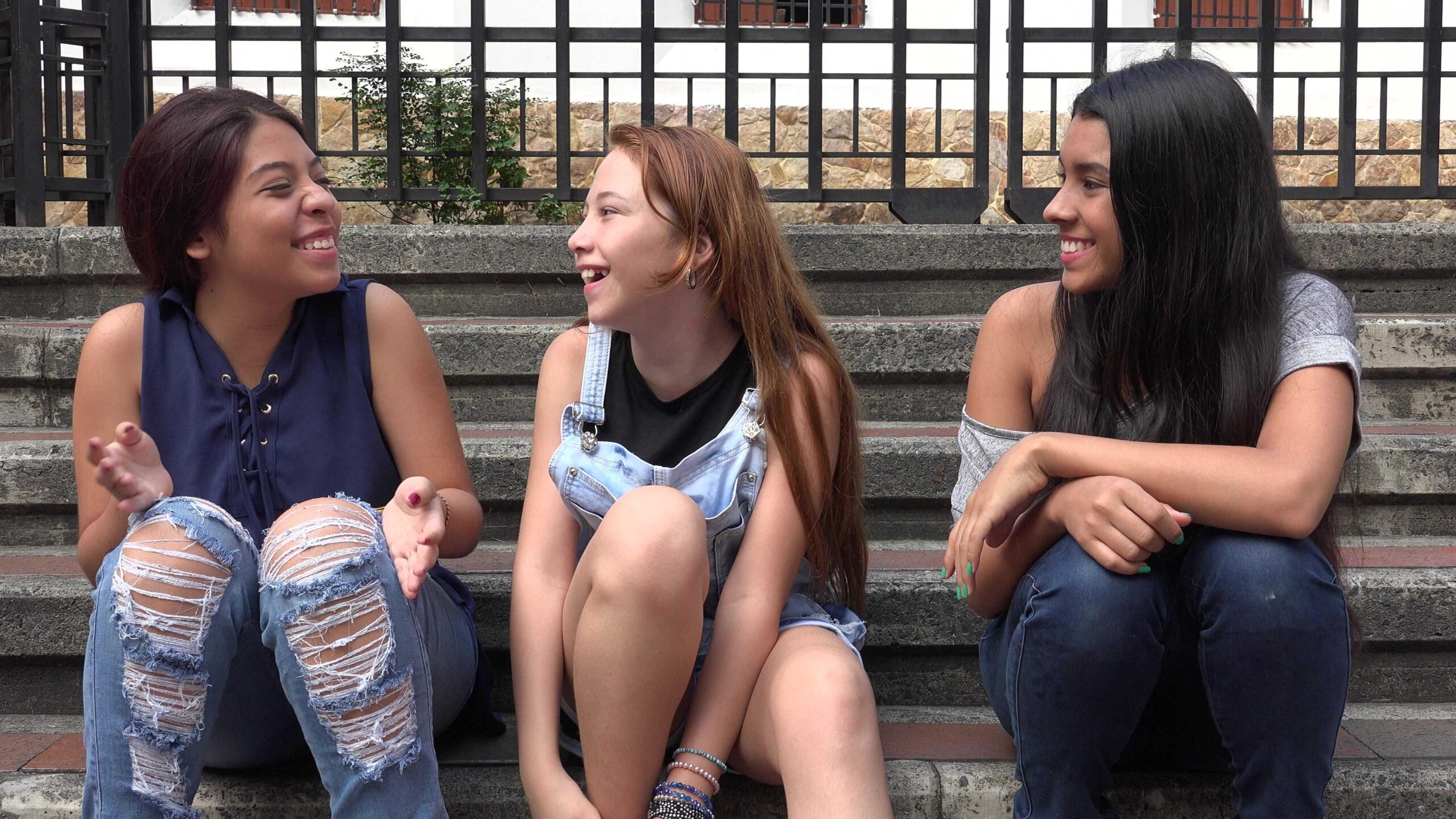
We know that care can make the difference – and it is the people around children and young people that can make this happen. As one child in care told us:
I was scared when I first moved into case as I thought that when I first moved in I was going to hate it, but it is not that bad. I feel like I am included into the family as if I had always been a part of their life. Being in care helped me realise that I am not useless and that my life actually has meaning to it. (11-18-year-old)
But we also know that for too many children and young people the system is set up to break relationships:
The connections I had made with all the people who helped me while in care was instantly cut off and I can’t speak to anyone anymore – which I’m sure you know destroys all the work done helping me. I feel lonely, useless, unfulfilled and ‘dumped at the side of the road’. It’s as if I was simply on a conveyor that ended the day I turned 18, ready to pick up the next helpless child to repeat the cycle. (Care leaver)
The types of things that children in care tell us is important is being able to do the things that other children do – joining clubs, taking the bus to school with your friends, inviting your sister for Sunday lunch, going out together with friends or having a sleepover without lots of checks and professional approval. Many of these things do not cost more money, but a shift in attitude, a child-centred approach and confidence, where needed, in managing risk rather than avoiding it.
As young people get older they report there can be additional barriers to maintaining relationship – there are still too often an abrupt changes in workers and where young people live when they turn 18 and officially leave care. Our Bright Spots programme shows that friendships are the most important source or emotional support for care leavers but the ability to spend time with friends can be affected by financial difficulties or mental health challenges. Care leavers have told us about experiencing acute anxiety that prevents them from going out and joining in the community or never joining their friend’s birthday parties because they cannot afford a present or the meal that has been arranged. What these examples show is that to support enduring relationships we must also address wider drivers of well-being such as mental health or coping financially.
The DfE has rightly recognised that making relationships a central priority will need rewiring how decisions are made. As the plan suggests the system must prioritise listening to children about who is important to them and how they can be supported to stay connected. The plans DfE identify to keep families together, support kinship care, roll out Family finding projects like Life Long Links will be important to keep or re-establish connections that are lost. There must also be a focus on making new connections, e.g. matching young people with carers that are right for them; providing an independent visitor who offer friendship through one-to-one activities; arranging activity days where sibling groups can come together or group activities where care leavers can meet each other and make new friends.

As the Government develops its plans for enduring relationships, we urge them to go further by ensuring young people can maintain the relationships that matter most at key transition points in their lives, like moving home or school and especially when they turn 18. There is a need for a more flexible system that doesn’t automatically require young people to move out of their homes and start working with new professionals all at the same time.
One of the fundamental challenges to building relationships with social workers and personal advisers is high staff turnover and workloads that do not allow workers to spend time with children and young people to get to know them. Addressing these issues will be important to provide children with the stability and trusting relationships that they want and need.
In the plan we are also glad to see the focus on access to advocacy so that children and young people have someone to support them if they need help to have their voices heard. In particular we welcome the announcement of a pilot of opt-out advocacy in residential care. It will be important that this includes support for children with disabilities and additional communication needs, including non-instructed advocacy for those who need this.
We welcome the work to practically explore with services how they place enduring relationships at the heart of social care. It will be important that children and young people themselves are involved in identifying the solutions that will work for them both individually, locally and nationally. A National Voice, the national council for children in care and care leavers in England, have made a range of suggestions in their Messages to the Minister briefings. This includes a briefing on building relationships which was one of their top three priorities for children’s social care, alongside mental health support and listening to children and young people when making decisions in their lives.
Among their recommendations ANV stressed the importance of being matched with the right carers, avoiding moves or placements far away from family and friends. They stressed the importance of system prioritising connection if moves to happen and called for relationships not ending at transitions, e.g. making sure that they can stay in touch with former foster carers or workers and keep independent visitors post 18. Really importantly they want children in care to have ‘normal lives with the same sleepovers, activities, celebrations other children and young people have.
Children and young people will also need to help co-create the proposed data measures to capture enduring relationships. They will have views on both what is asked, but as importantly how and by whom questions about enduring relationships are asked. Coram Voice has already been working with children and young people on ways to measure what is important to them in both the Bright Spots surveys and our Ask We What Matters pilot. What we have learnt is that any data metric that is created needs to be embedded in practice so that it does not just capture how children feel but leads individuals and services to act on what they say. We plan to publish a detailed briefing on measuring relationships this year. We want the Government to build on the learning from our work and commit to engaging children and young people as they implement the plans set out in the paper today.
See further reading on this topic via the clickable links below: